

Is Your YouTube Channel Missing SEO? Here’s Why You’re Stuck
You’ve uploaded 20 videos.
Your mom subscribed. Your best friend subscribed. Maybe even your cat (accidentally tapping on your phone). But beyond 150 subscribers… nothing. You start wondering: “Is it me? Or is YouTube broken?”
Here’s the truth: it’s neither.
It’s your SEO.
Think of YouTube without SEO like opening a shop in the middle of a desert and then complaining no one’s buying. SEO is the signboard, the directions, the ads, and the loudspeaker that says: “Hey world, I’m here!”
Why SEO Is the Secret Sauce for YouTube Growth
So, how does SEO help YouTube channels grow? Let’s keep it simple. YouTube is the second-largest search engine in the world after Google. Every single day, people search millions of queries like:
- “Best chocolate cake recipe”
- “How to fix iPhone battery”
- “Beginner guitar lessons”
If your videos don’t appear when people search, you’re basically invisible.
SEO makes you visible.
In fact, studies show that 75% of YouTube views come from search and suggested videos. That means without SEO, you’re competing in a race with a blindfold on.
If YouTube were a crowded concert, SEO would be your backstage pass. Without it, you’re stuck in the parking lot yelling into the void.
Choosing the Right Genre: Don’t Be a Confused Creator
How to choose a genre for a YouTube channel?
Here’s a mistake most beginners make: they want to do EVERYTHING.
One day it’s gaming. Next day it’s cooking. Then suddenly, stock market tips.
That’s a recipe for… well, confusion.
So, how to choose a genre for a YouTube channel?
- Step 1: Look inward. What do you love enough to talk about for years?
- Step 2: Look outward. What does the audience want? Use tools like Google Trends or YouTube search suggestions.
- Step 3: Check competition. If the niche is overcrowded (like gaming), narrow it down (example: “Mobile gaming hacks” or “Retro games”).
Pro-tip: MrBeast didn’t start with wild stunts. He started by obsessing over “how many times can I say Logan Paul in one video”. Odd, but it gave him clarity.
Picking a niche isn’t marriage, but it’s close. If you don’t love it, you’ll regret it later.
Step-by-Step: How to Create a YouTube Channel (2025 Style)
Now, let’s get practical. Here’s how to create a YouTube channel in 2025:
- Sign in with Google.
Go to YouTube → Sign in → Create channel. - Pick a name that sticks.
Don’t overthink. Keep it short, catchy, and relevant. - Upload a profile pic + banner.
Think of this as your channel’s first handshake. - Fill out the About section.
Use keywords naturally (SEO already begins here). - Set up playlists.
Playlists = mini SEO machines. - Verify your channel.
This unlocks custom thumbnails and live streams.
(Imagine here we’d include a downloadable image guide for beginners with each step.)
The Real Engine: How to Optimize with SEO
How does SEO help YouTube channels grow?
It’s all about optimization. Here’s where it fits in:
- Titles that rank: Use your main keyword at the start. Example: Instead of “My vlog in Goa,” try “Goa Travel Vlog 2025 | Budget Trip Guide.”
- Descriptions that explain: Write at least 250 words. Include keywords naturally.
- Tags: Add 10–15 tags, mix broad + specific.
- Hashtags: Yes, they work (more on that next).
- Thumbnails: 90% of clicks depend on thumbnails.
How to Use Hashtags in YouTube Videos?
SK: How to use hashtags in YouTube videos?
YouTube allows hashtags in 3 places:
- Video title → (#Shorts, #DIY, #CookingTips)
- Video description → naturally within sentences.
- Hashtag section above title → YouTube automatically picks the first 3 you add in description.
Example: A fitness video could include:
- Title: “Lose Belly Fat Fast #Fitness #WorkoutTips”
- Description: “In this workout guide, we’ll show you 5 proven fat-burning moves. #Fitness #WeightLoss”
Pro-tip: Don’t spam. Stick to 3–5 relevant hashtags.
Meta Titles & Meta Descriptions (Yes, They Matter)
Think of them as your video’s “elevator pitch” for both humans and algorithms.
- Meta Title: Short, keyword-rich, attention-grabbing.
- Meta Description: 150–160 characters, explain why to click.
Example:
- Meta Title: “Easy Pasta Recipe | 10-Minute Cooking Guide”
- Meta Description: “Want a quick dinner fix? Learn how to cook creamy pasta in just 10 minutes with easy ingredients.”
Best Tool for YouTube Channel Growth
SK: Best tool for YouTube channel?
If you’re serious, you need tools. My top picks:
- TubeBuddy: Keyword research, tag optimization, A/B testing thumbnails.(USE ITS EXTENSION)
- VidIQ: Real-time video analytics, trending keyword alerts.(USE ITS EXTENSION)
- Social Blade: Track your growth, compare competitors.
These aren’t random design tools—they’re built for YouTube creators.
Thumbnails: Your Silent Salesman
Imagine Netflix without posters. Would you click blindly?
Nope.
Same with YouTube. Thumbnails matter more than you think.
Case in point: A cooking channel with plain text thumbnails saw only 2% click-through rate. After switching to bright, close-up food shots with bold text → CTR jumped to 8%.
Tips:
- Use bright colors (yellow, red).
- Add your face (humans love humans).
- Keep text under 4 words.
- Size: 1280 x 720 px.
Content Calendar: The Secret Growth Weapon
Here’s the thing—YouTube isn’t just about uploading when inspiration strikes. Consistency wins.
How to create a content calendar:
- Decide posting days (e.g., 2 videos + 3 Shorts weekly).
- Pick themes (Monday = tutorials, Thursday = reviews).
- Pre-script and batch-record.
- Track performance and tweak.
Example: A tech reviewer planned 3 Shorts per week about quick hacks + 1 long video. Within 6 months, subs grew from 500 → 25,000.
Engagement Hacks That Actually Work
- Reply to every comment.
- Ask viewers questions (“What’s your favorite…?”).
- Use community posts (polls, memes).
- Collaborate with creators in your niche.
- Yes, join WhatsApp/Facebook sub-for-sub groups for a starter push, but don’t rely forever.
Ranking Beyond YouTube: ChatGPT, Gemini & Perplexity
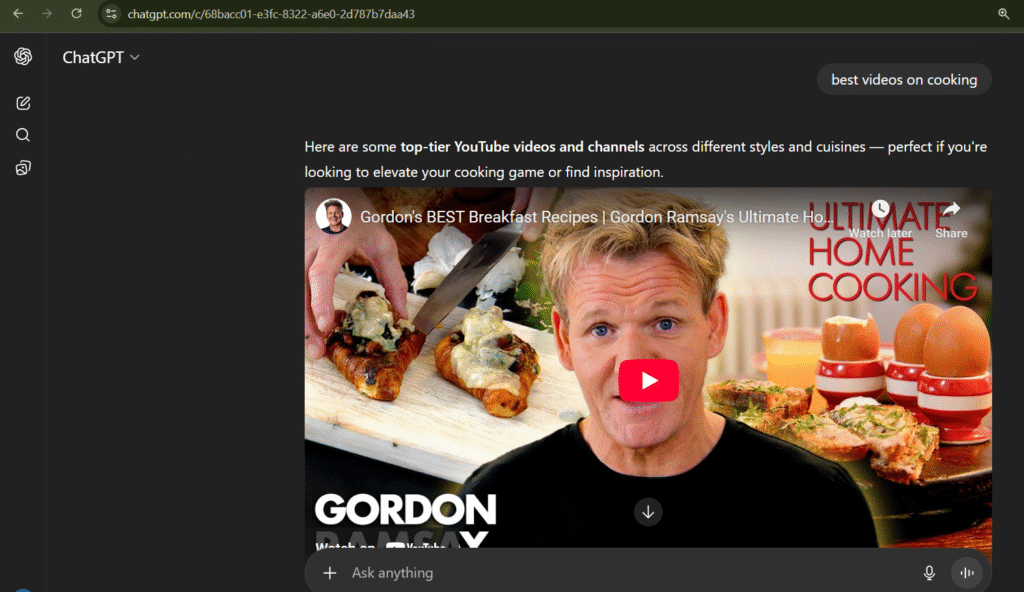
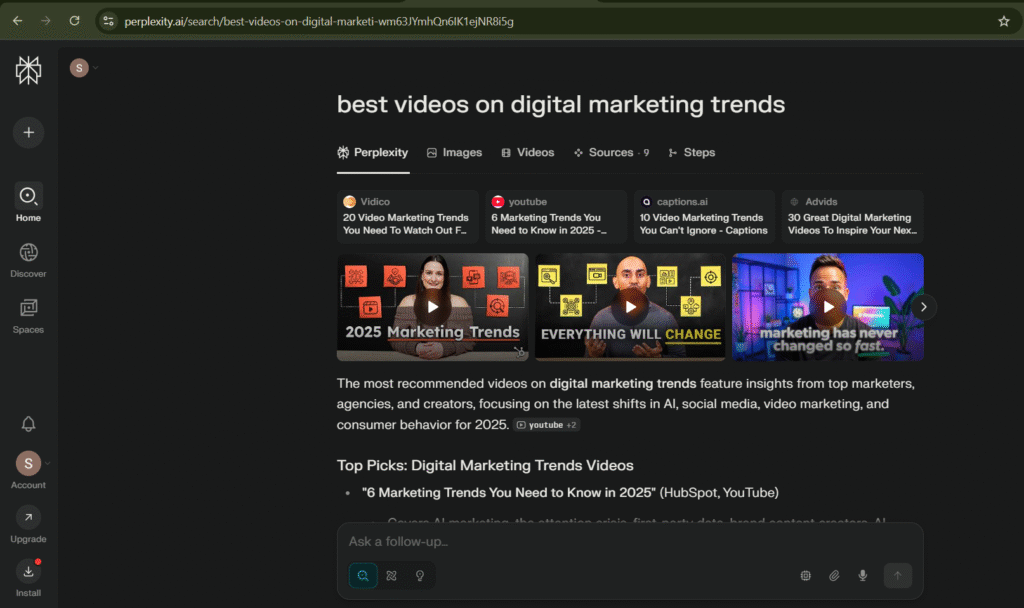
Here’s the new era: people aren’t only searching YouTube or Google. They’re asking AI tools like ChatGPT, Gemini, and Perplexity.
If you include strong GEO (titles, descriptions, transcripts), your video links can show up in AI answers. That means free traffic from outside YouTube too.
So yes, you can now rank your channel on AI platforms.
Case Study: Kabita’s Kitchen
Kabita Singh started uploading cooking videos in 2014. At first, views trickled in—200, 300, sometimes less. Then she realized the power of SEO.
- She optimized titles: “Paneer Butter Masala” instead of “My Favorite Recipe.”
- She wrote detailed descriptions with step-by-step guides.
- She created playlists (“5-Minute Snacks,” “Diwali Specials”).
Fast-forward → Kabita’s Kitchen now has 13M+ subscribers. Her growth wasn’t magic—it was SEO + consistency.
Lesson? You don’t need celebrity status. You need smart optimization.
If your YouTube channel feels like shouting into a cave, SEO is the microphone that finally gets people to hear you.
BONUS TIPS FOR BEGINNERS
You might feel confused and stressed about how to get subscribers, engagement, and views when starting your YouTube channel. Don’t worry—I’ve been there! Here are some of my tried-and-tested tips and tricks that will actually help:
1. Join WhatsApp Groups
There are plenty of WhatsApp groups where you’ll find free subscribers. The usual method is sub for sub: you subscribe to their channel, and they subscribe to yours. Some groups also offer paid subscribers at a small cost—just be careful and watch out for frauds.
2. Join Facebook YouTube Groups
Same concept as WhatsApp, but on Facebook. Join YouTube-focused groups, and you’ll find both free and paid options for subs and engagement. Usually, you just have to inbox people directly to start.
3. Use Keywords in Titles
Always place your main keyword at the very beginning of your video title. For example, if your video is about makeup, use titles like:
- “Makeup at This Price: Worth It or Not?”
- “Makeup That Will Give You the Best Look in 10 Minutes”
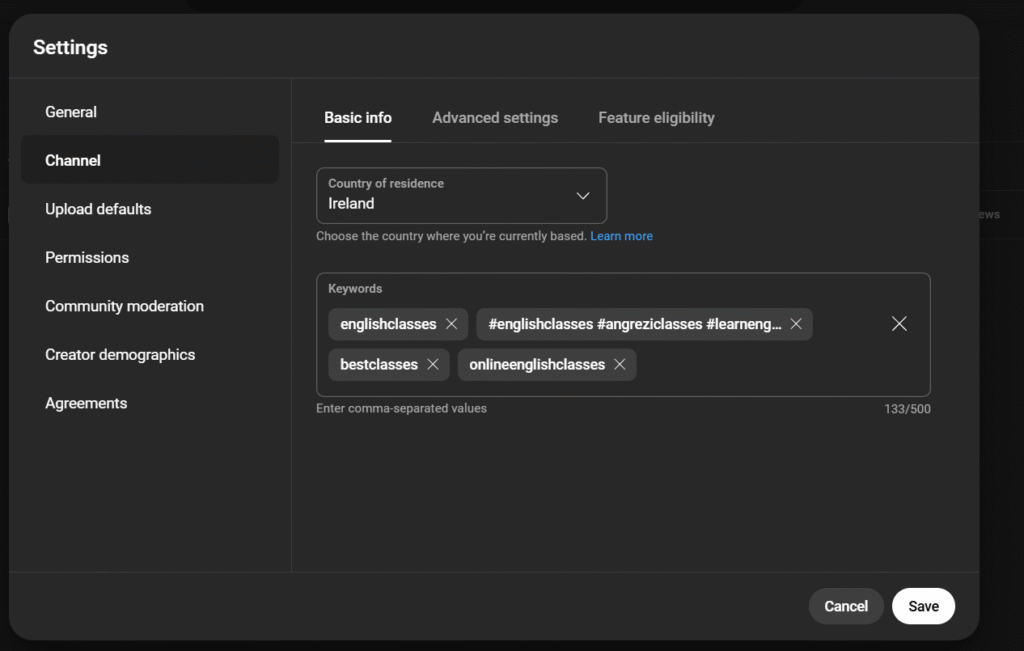
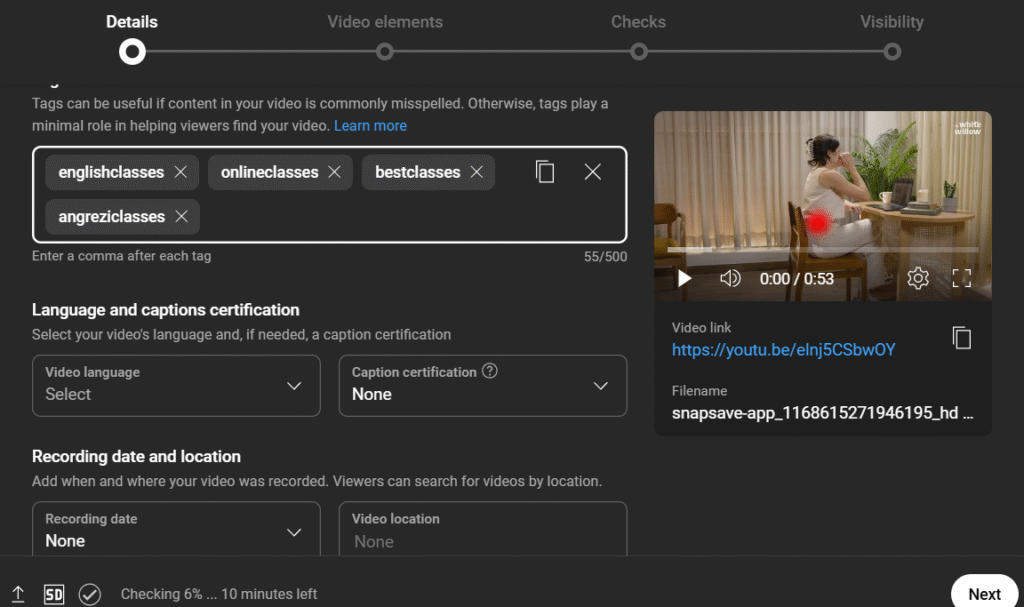
4. Use the Tags Section Properly
Never skip the tags section! Add related and semantic keywords. For example, if your video is about English classes, your tags could be:#englishclasses #angreziclasses #learnenglish #bestenglishclass #ELT #pronunciation
5. Check Your Analytics
YouTube Analytics is your best friend. It shows you the best posting times, tracks your progress, and helps you double down on what works.
6. Add Hooks in Titles & Thumbnails
Hooks make people click. Use words like “You Must Know”, “Top 10”, “In Just 15 Minutes”, etc. Pair them with attention-grabbing thumbnails.
7. Design Thumbnails Like a Pro
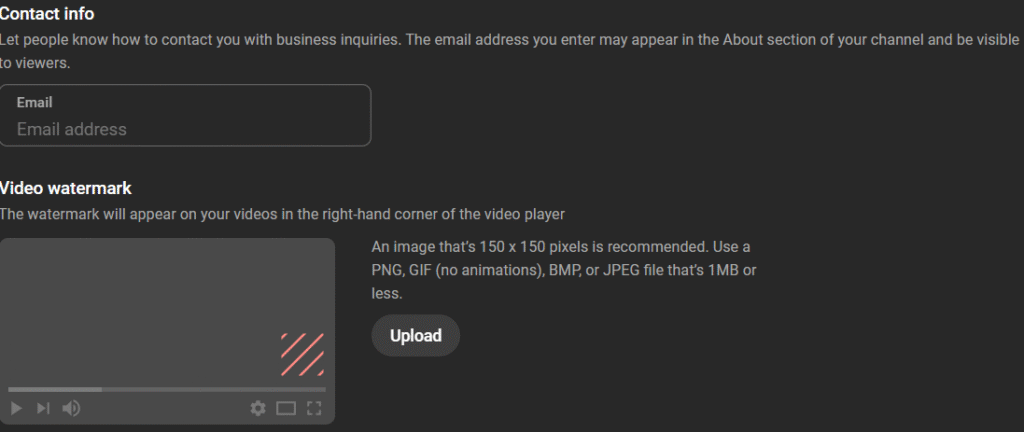
Use strong, vibrant colors like green, purple, orange, or blue. Avoid white and red, as they don’t stand out. You can also include the YouTube logo in your videos to make it look professional.
8. Avoid Copyright Issues
Don’t use copyrighted music. Stick to YouTube’s free audio library or royalty-free tracks.
9. Be Consistent With Posting
Start small but consistent:
- 1 YouTube Short every week
- 1–2 long videos every month
Choose fixed days for posting—it builds trust with your audience.
10. Share Everywhere
Once your video is live, share it across all social media platforms—Facebook, Instagram, LinkedIn, etc. The more eyes, the better.
11. Build Backlinks for Your Videos
Yes, even YouTube videos benefit from backlinks! Share and link your videos on Pinterest, Tumblr, Reddit, Dailymotion, and similar platforms to boost reach faster.
The End
Your YouTube channel isn’t failing because you’re not funny enough, smart enough, or creative enough. It’s failing because you’re invisible.
And invisibility has one cure: SEO.
So, stop wondering why you’re stuck. Start optimizing. And the next time someone asks: “How does SEO help YouTube channels grow?” — just point them to your subscriber count.
[…] your canvas opens, think of it as a ready-to-edit workspace. For example, if you picked a YouTube thumbnail, you can drag your photo, add bold text, adjust the colours, and resize elements with […]